Science Lab · Science
Periodic Puzzle
Build the periodic table, fill the shells and test the group trends.
Play Periodic Puzzle More Science Lab games
- Ages 8 to 14
- Learning game
- Plays in the browser
About Periodic Puzzle
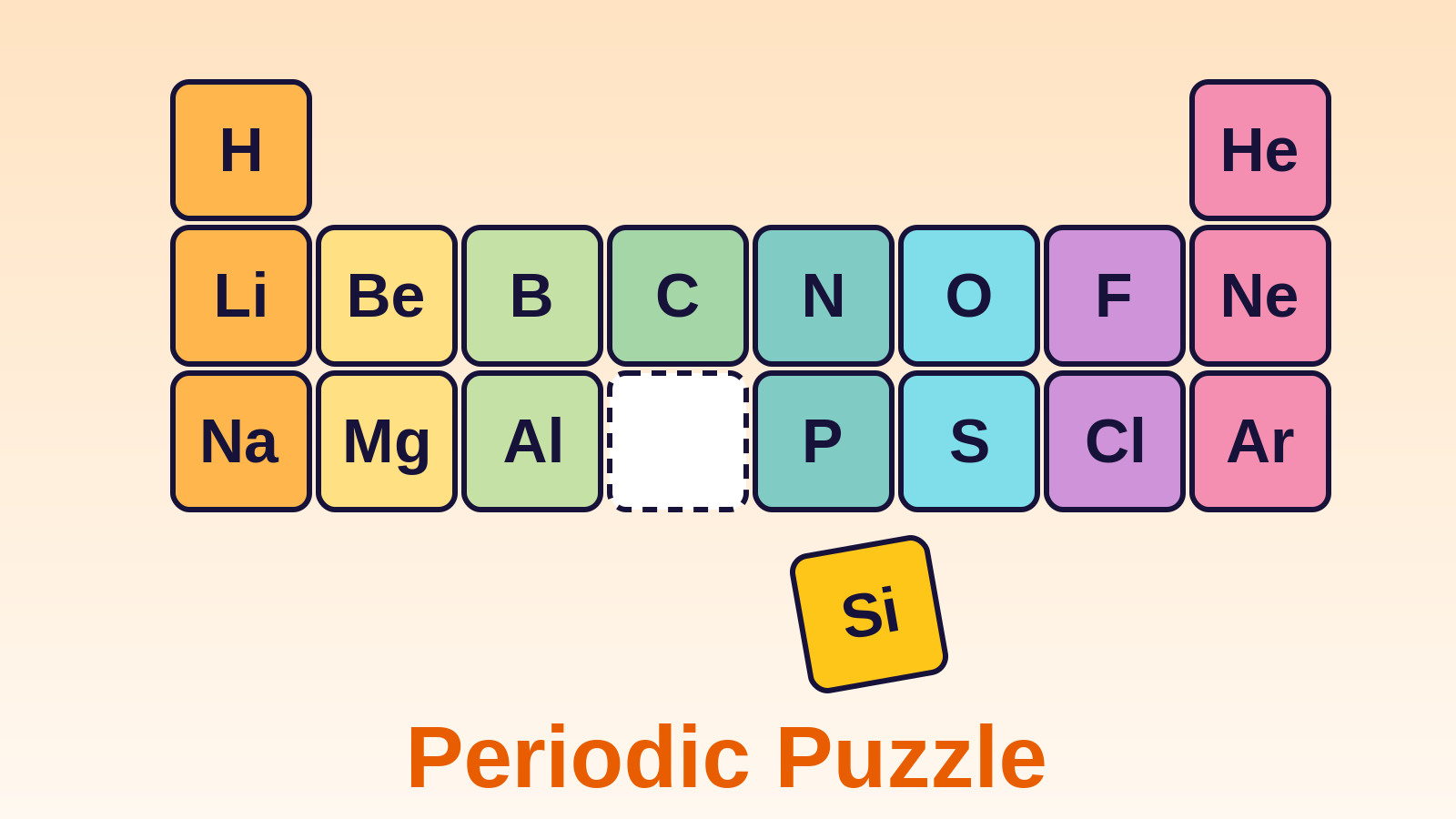
Periodic Puzzle is a chemistry game for children aged 8 to 14 that builds the periodic table one tile at a time. Children place each element by its atomic number, then link its electron shells to its period and its outer electrons to its group.
The game then tests elements from the same group, such as the alkali metals, the halogens and the noble gases, so the group trends make sense. The reactivity bars are a comparison, not a measurement.
How to play
- Drag each element tile to its cell in the table, using the atomic number on the tile.
- Tap a shell to add electrons, filling the inner shell first, until each atom has as many electrons as protons.
- Use the shells and outer electrons on a tile to work out its period and its group.
- Press Test on each row to see how the elements react, and read off the trend down the group.
Three levels, one game
Build the first 20 elements, fill the shells of the first atoms, and meet three groups: the alkali metals, the halogens and the noble gases.
Add periods 4 and 5, place the transition metals in order of atomic number, and compare group trends down to caesium, iodine and krypton.
Questions about Periodic Puzzle
How do the shells and outer electrons give an element's place in the table?
The number of shells gives the period, which is the row, and the number of outer electrons gives the group, which is the column. Helium is the exception, with two outer electrons but a place in group 18.
#Which elements does Periodic Puzzle cover?
The younger band uses the first 20 elements. The older band adds periods 4 and 5, including the transition metals, and the group trends down to caesium, iodine and krypton.
#Which group numbers does the game use?
The game uses the current IUPAC numbers 1 to 18. A note on screen explains that older books number the groups differently.
#Can my child play Periodic Puzzle without paying?
Yes. Periodic Puzzle is a learning game for children on play.3dw3b.com. It runs in any modern web browser on phones, tablets, Chromebooks and computers, so there is nothing to download.
#More games like Periodic Puzzle
Lab Sort
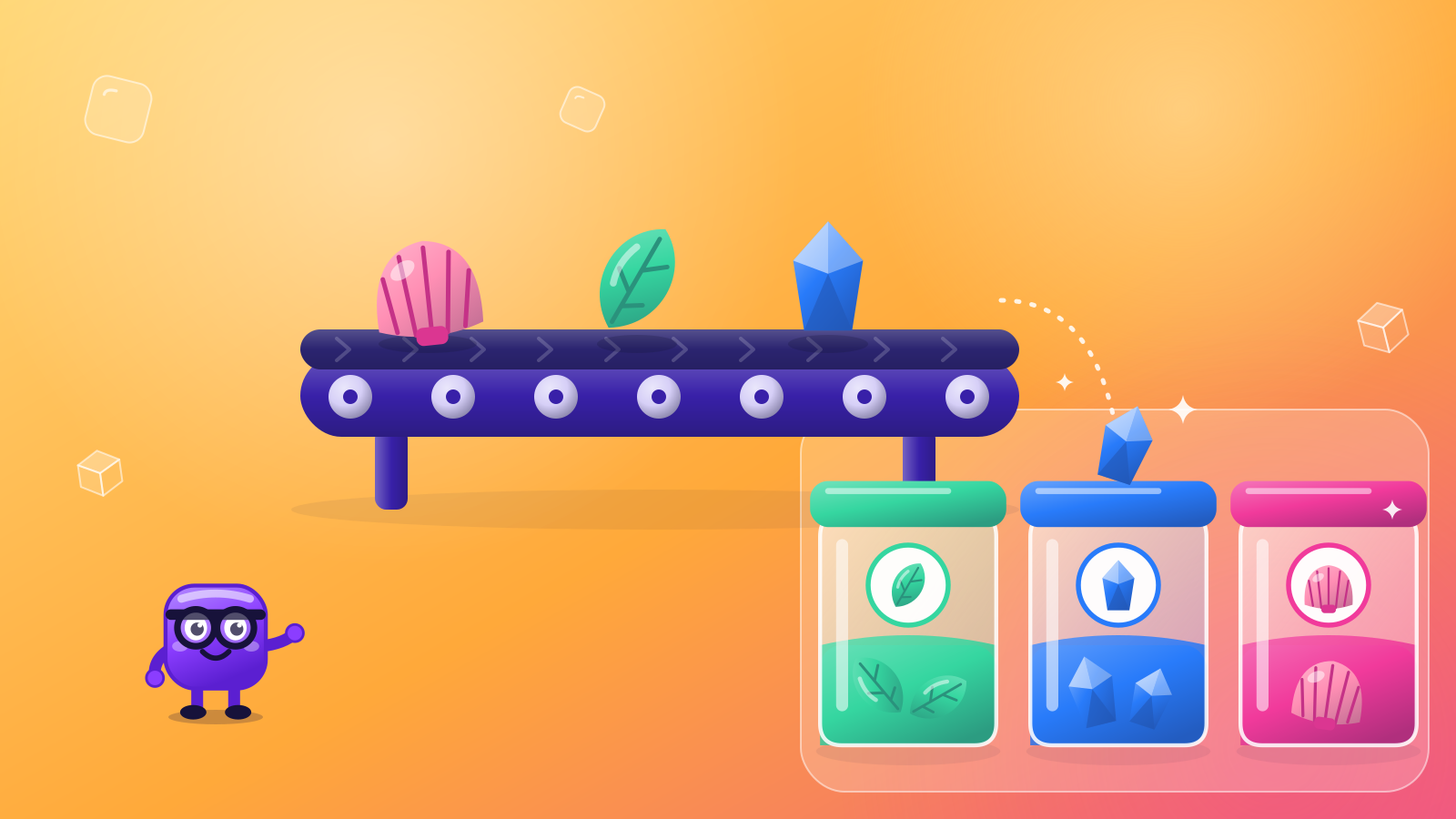
Sort science specimens into the right containers before they roll off the belt.
Ages 5 to 14
Circuit Spark
Drag wires, cells and switches to light every bulb, then predict: will it light?
Ages 5 to 14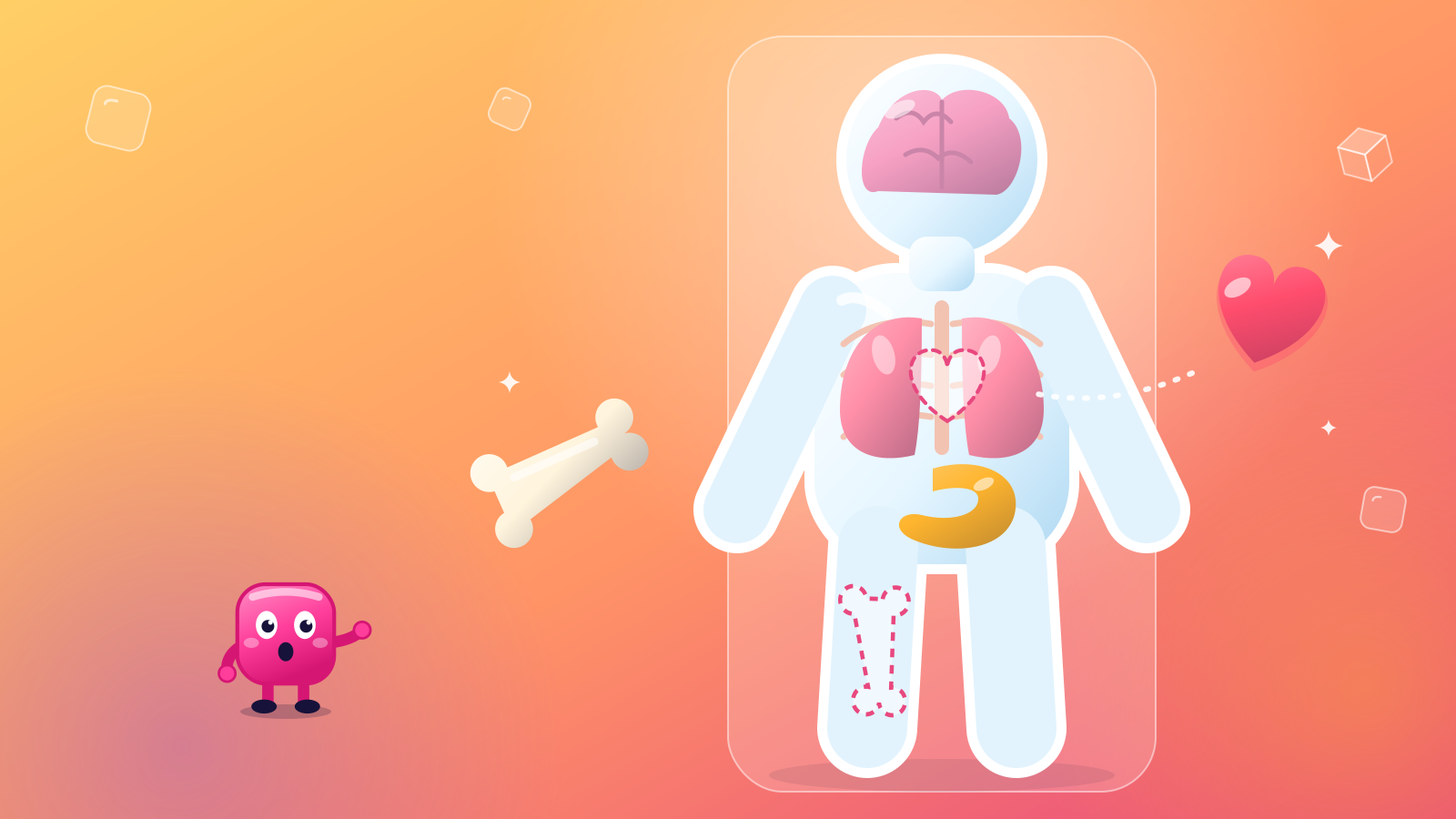
Body Explorer
Build a body, follow food, air and blood on their journeys, and learn to stay healthy.
Ages 5 to 14
Motion Mission
Predict, set up and launch hands-on experiments with forces and motion.
Ages 5 to 14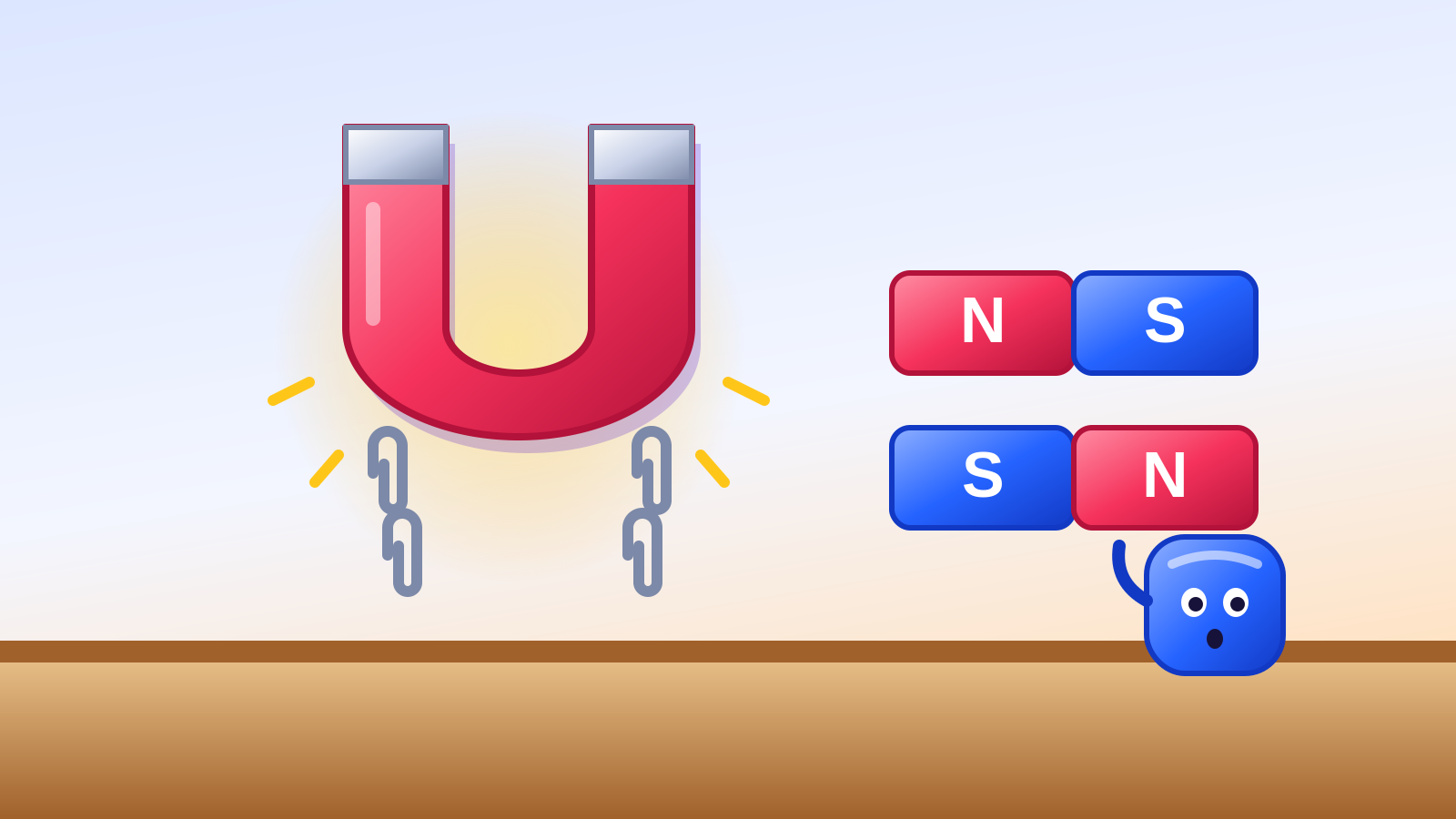
Magnet Lab
Predict, then test: sort magnetic materials, make magnets attract and repel, and build electromagnets.
Ages 5 to 14
Atom Builder
Build atoms from protons, neutrons and electrons, then explore the periodic table and how elements join.
Ages 8 to 14
Want games like these for your organisation?
We design custom and white-label learning games for schools, academies, charities and companies.