Science Lab · Science
Kitchen Chemistry
Find melting and boiling points, sort kitchen materials and test what dissolves in water.
Play Kitchen Chemistry More Science Lab games
- Ages 5 to 10
- Learning game
- Plays in the browser
About Kitchen Chemistry
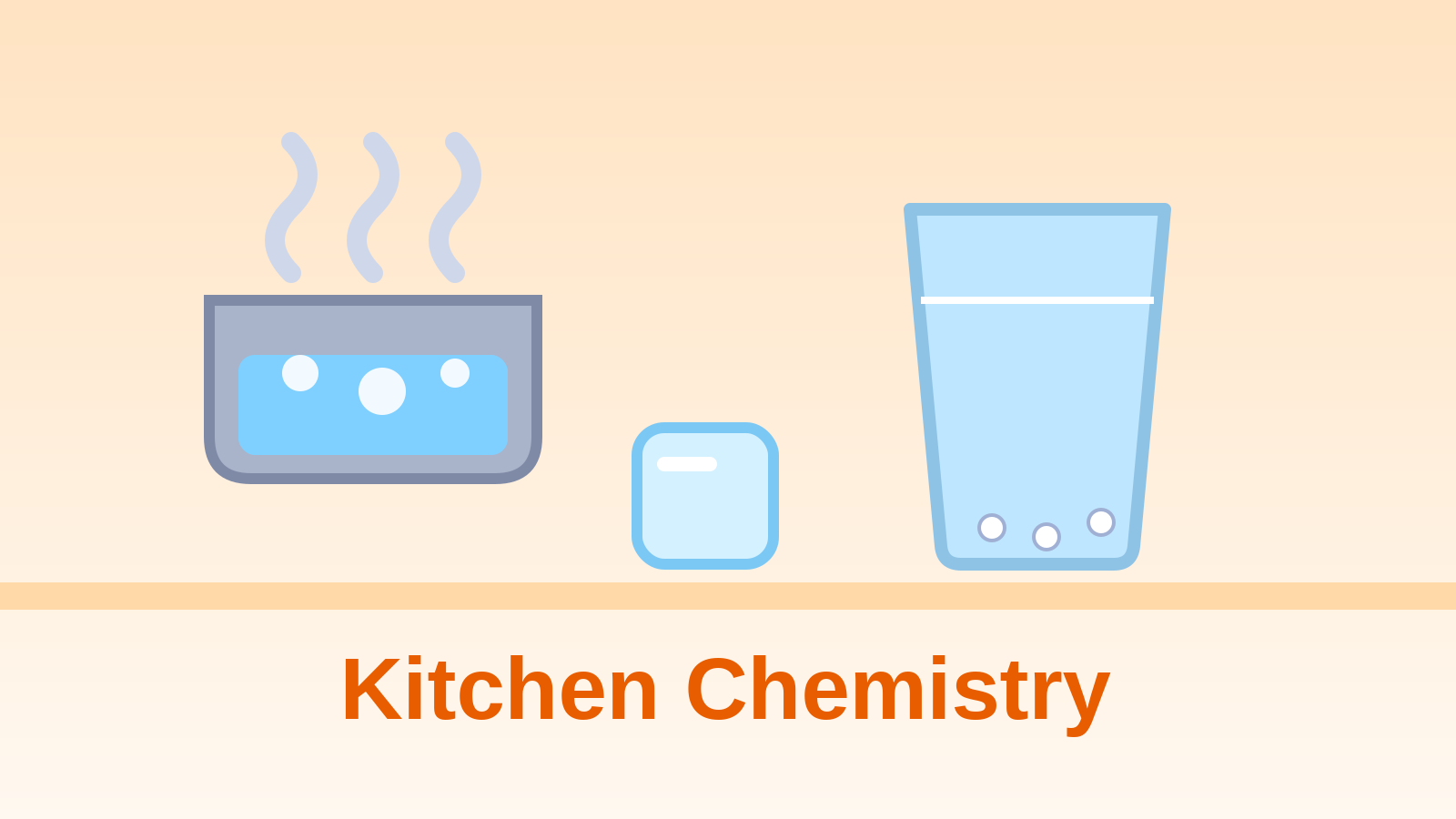
Kitchen Chemistry is ascience game for children aged 5 to 10 about changes of state, dissolving and everyday kitchen materials. Children slide a thermometer to melt ice, boil water or melt chocolate, and watch the picture change.
They also sort kitchen materials into solid, liquid and gas, and stir spoonfuls into water to see what dissolves and what sinks or floats. The older band asks children to find melting and boiling points, notes that baking cannot be undone, and separates mixtures with simple tools. The heating is shown in pictures only, and children should ask a grown-up before heating anything at home.
How to play
- Slide the thermometer to heat or chill the ice, water or chocolate, and lock it in at the right temperature.
- Sort kitchen items into solid, liquid or gas.
- Stir a spoonful into water, then choose the jar it belongs in, such as dissolves or does not dissolve.
- In the older band, find the melting and boiling points, then match each mixture to the tool that separates it.
Three levels, one game
Children warm ice until it melts, chill water until it freezes, warm chocolate gently, and sort kitchen items into solid, liquid and gas.
Older children find the melting point of ice and the boiling point of water, bake a cake, and separate mixtures with a sieve, filter paper, an evaporating dish or a magnet.
Questions about Kitchen Chemistry
At what temperatures does Kitchen Chemistry teach melting and boiling?
Ice melts at 0 °C and water boils at 100 °C at normal air pressure. The game also shows chocolate melting at about 30 to 35 °C.
#Is it safe to try the heating at home?
The heating in Kitchen Chemistry is shown in pictures, and the game asks children to ask a grown-up before heating anything. Children should never taste science experiments.
#Why do sugar and salt disappear in water but sand does not?
Sugar and salt dissolve, so their particles spread through the water and cannot be seen. Sand does not dissolve and sinks, flour makes the water cloudy, and oil floats on top.
#Can my child play Kitchen Chemistry without paying?
Yes. Kitchen Chemistry is a learning game for children on play.3dw3b.com. It runs in any modern web browser on phones, tablets, Chromebooks and computers, so there is nothing to download.
#More games like Kitchen Chemistry
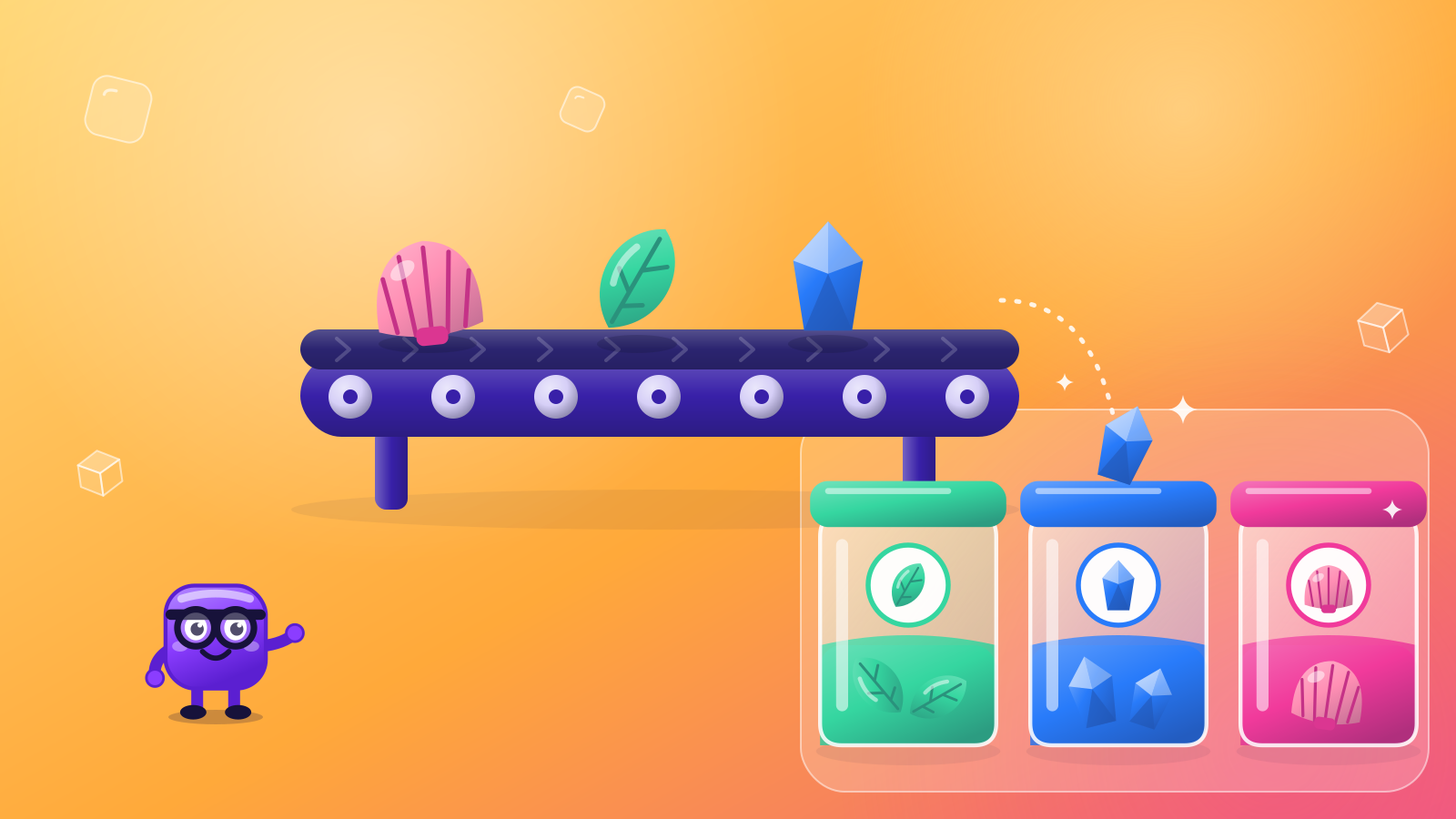
Lab Sort
Sort science specimens into the right containers before they roll off the belt.
Ages 5 to 14
Circuit Spark
Drag wires, cells and switches to light every bulb, then predict: will it light?
Ages 5 to 14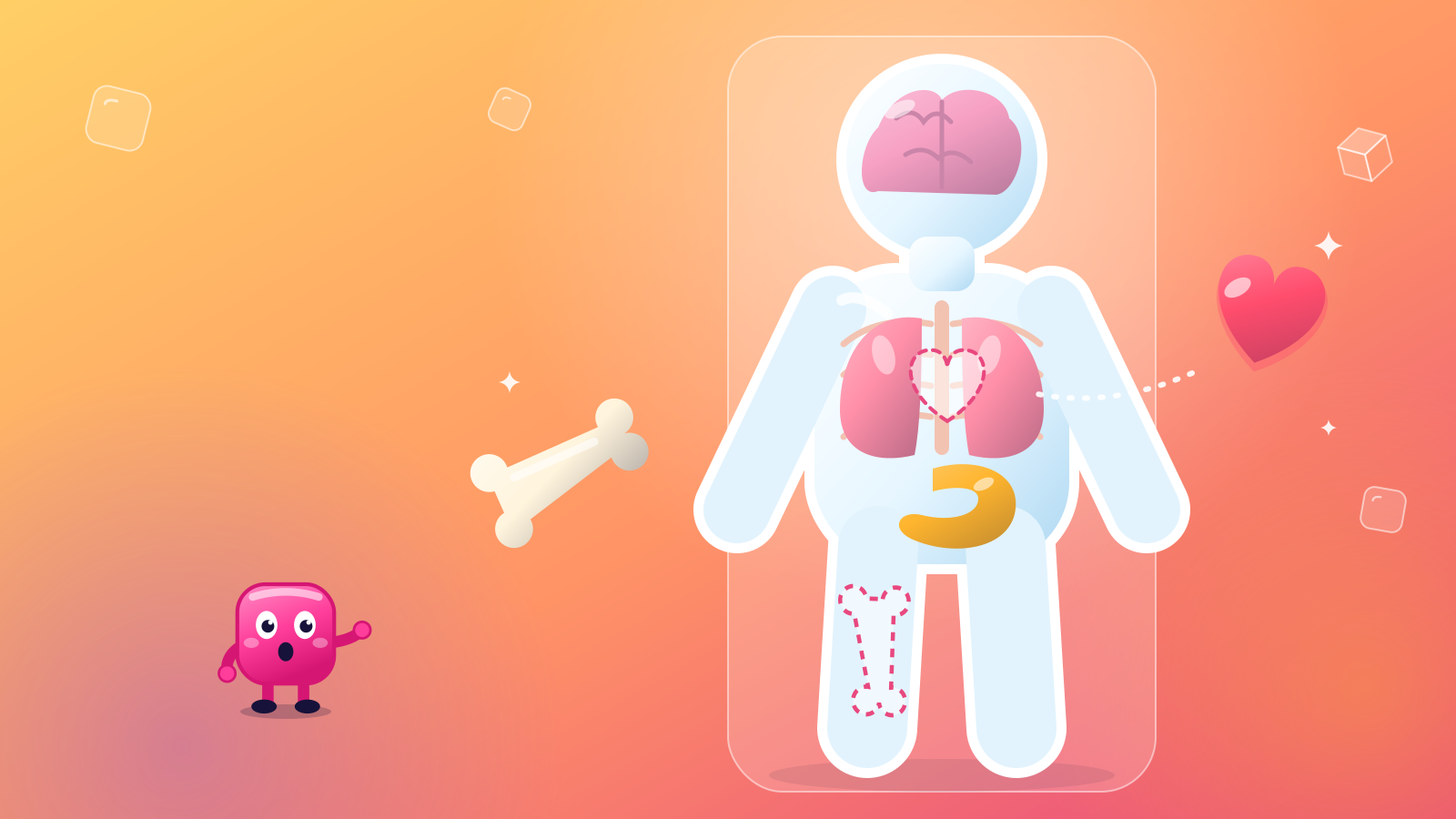
Body Explorer
Build a body, follow food, air and blood on their journeys, and learn to stay healthy.
Ages 5 to 14
Motion Mission
Predict, set up and launch hands-on experiments with forces and motion.
Ages 5 to 14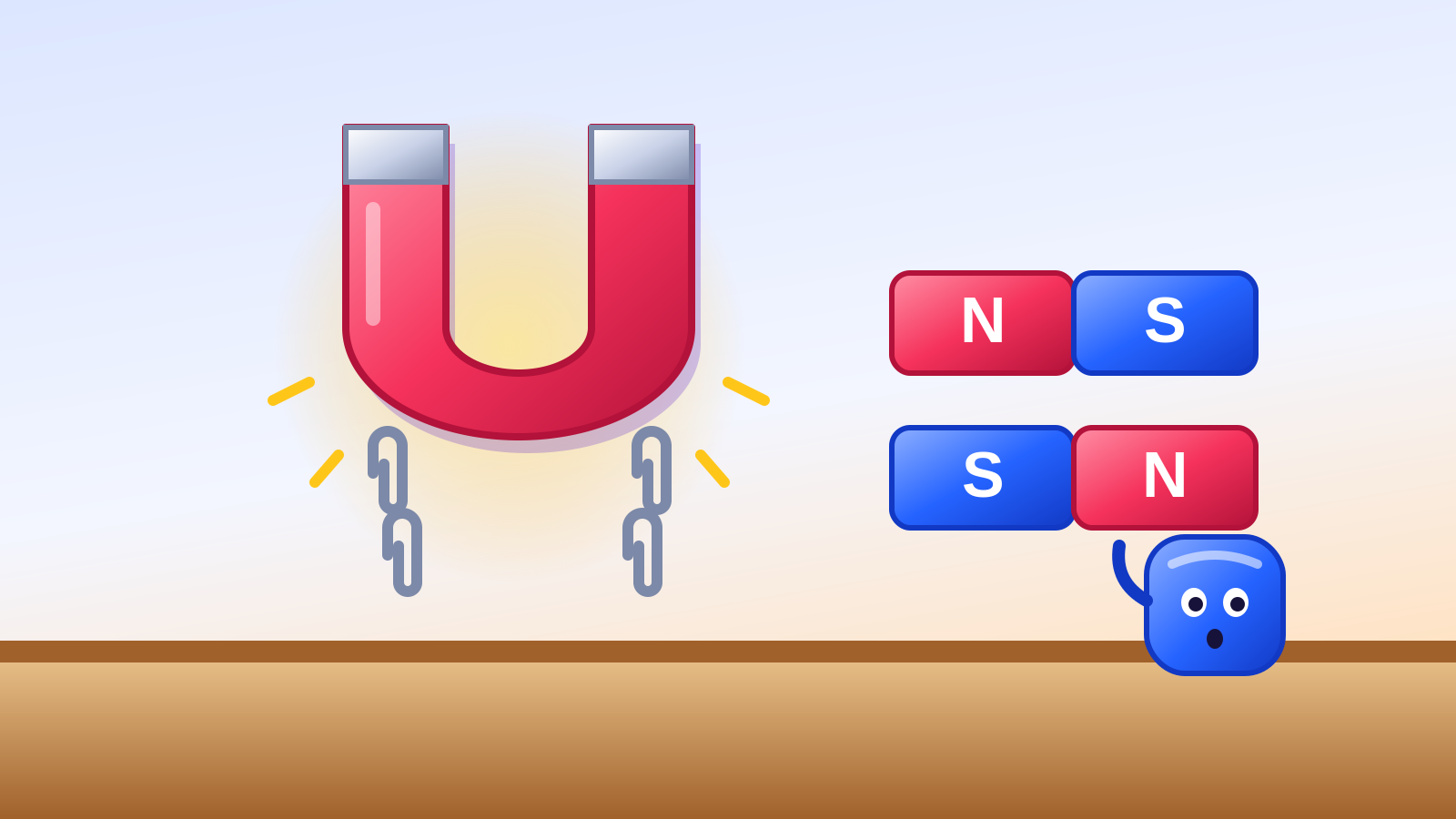
Magnet Lab
Predict, then test: sort magnetic materials, make magnets attract and repel, and build electromagnets.
Ages 5 to 14
Atom Builder
Build atoms from protons, neutrons and electrons, then explore the periodic table and how elements join.
Ages 8 to 14
Want games like these for your organisation?
We design custom and white-label learning games for schools, academies, charities and companies.