Science Lab · Science
Electrolysis Lab
Wire a 3D cell, run the current and watch the ions move and the products form.
Play Electrolysis Lab More Science Lab games
- Ages 11 to 14
- Learning game
- Plays in the browser
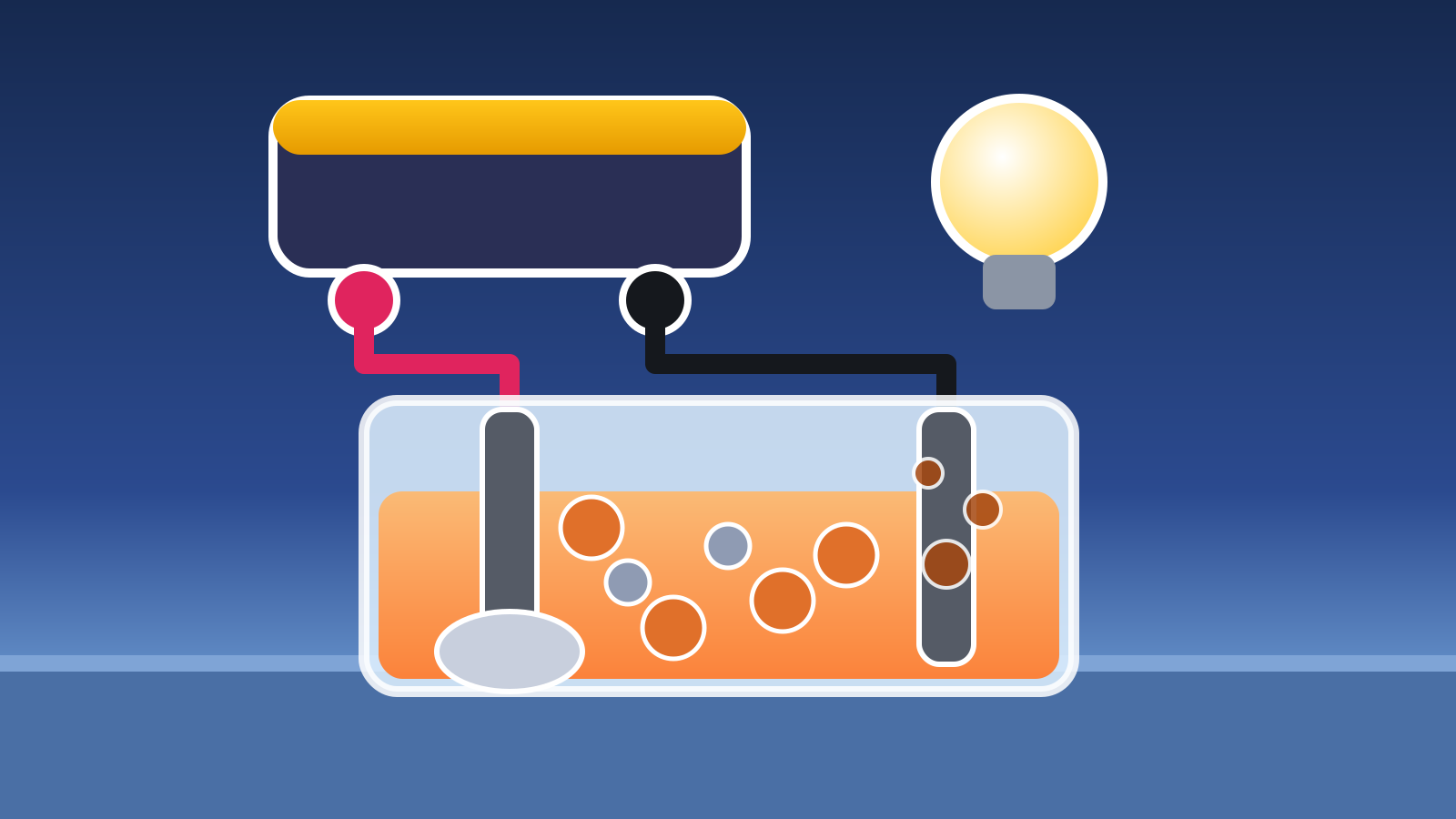
About Electrolysis Lab
Electrolysis Lab is achemistry game for children aged 11 to 14 who are learning how electricity splits compounds. Players wire up a 3D electrolysis cell, switch it on and collect the products at each electrode.
There are three experiments in turn: molten lead bromide, brine, and copper sulfate with copper electrodes. Each one links the charge on an electrode to the ions that move and the substances that form, and ends with the half-equations written out.
How to play
- Read the goal for the experiment, such as lead on the left electrode.
- Drag the red and black wires onto the electrodes, or tap a piece and then tap the cell.
- Use the buttons to heat the salt where needed, switch on the current and check the result.
- Drag the picture, or use the arrows, to turn the 3D view and watch the ions move.
- In the brine experiment, drag a test onto each gas tube to prove which gas it is.
Questions about Electrolysis Lab
Why does the lead bromide have to be melted in Electrolysis Lab?
Solid lead bromide does not conduct because its ions are locked in place. The game asks players to melt it, at about 371 degrees Celsius, so the ions can move to the electrodes. Lead forms at the cathode and bromine at the anode.
#Which gas tests does the game teach?
In the brine experiment, players test the two gases. Hydrogen gives a squeaky pop with a lit splint, and chlorine bleaches damp litmus paper. The game also notes that in dilute brine, oxygen would form at the anode instead.
#Is the copper refining experiment realistic?
It shows the real idea, but it is simplified for pupils in grades 9 and 10. The impure copper anode loses mass and the pure copper cathode gains it, but the masses shown are made-up model values. Bromine and chlorine are toxic, so real labs use a fume cupboard.
#Can my child play Electrolysis Lab without paying?
Yes. Electrolysis Lab is a learning game for children on play.3dw3b.com. It runs in any modern web browser on phones, tablets, Chromebooks and computers, so there is nothing to download.
#More games like Electrolysis Lab
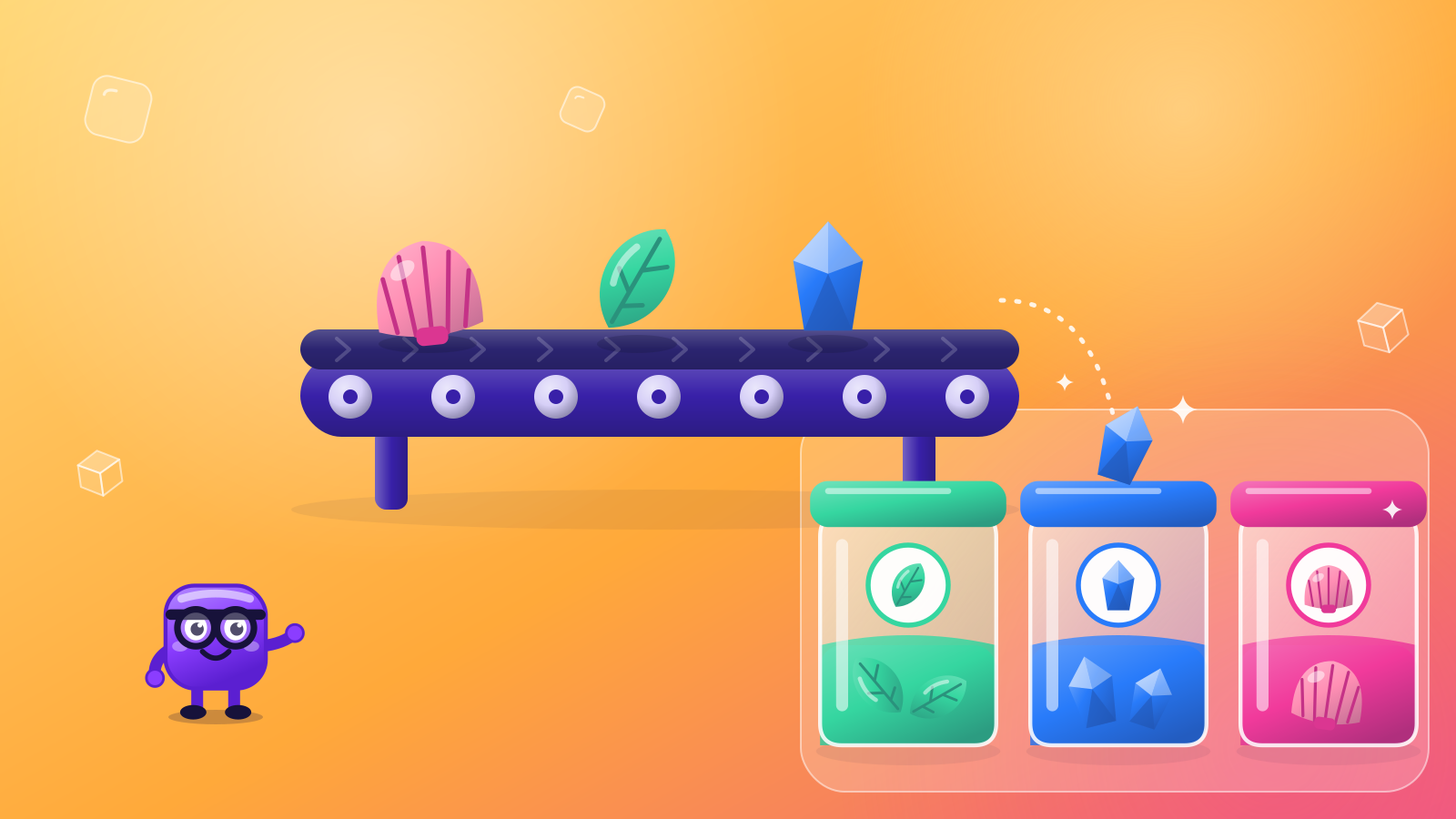
Lab Sort
Sort science specimens into the right containers before they roll off the belt.
Ages 5 to 14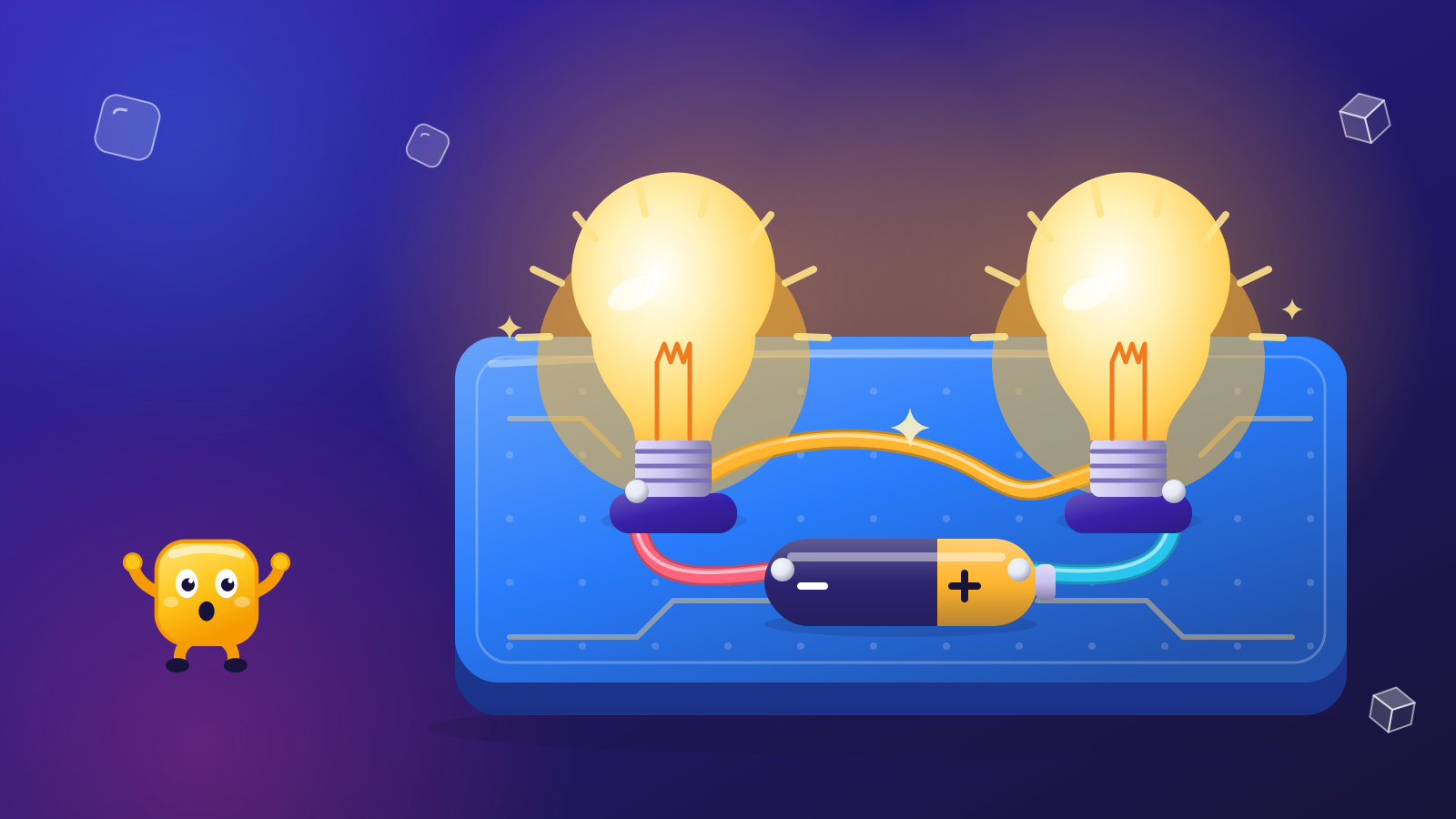
Circuit Spark
Drag wires, cells and switches to light every bulb, then predict: will it light?
Ages 5 to 14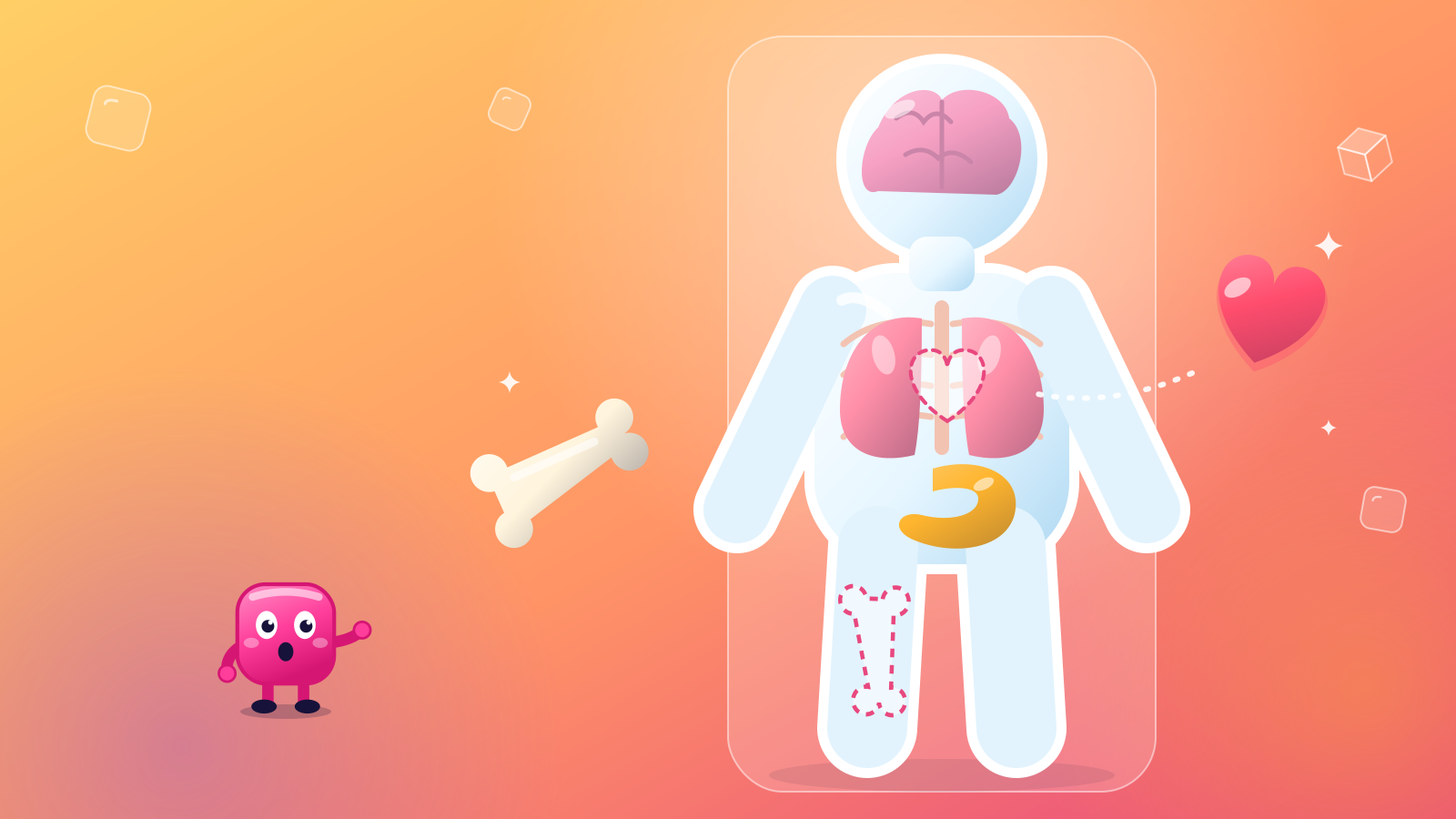
Body Explorer
Build a body, follow food, air and blood on their journeys, and learn to stay healthy.
Ages 5 to 14
Motion Mission
Predict, set up and launch hands-on experiments with forces and motion.
Ages 5 to 14
Magnet Lab
Predict, then test: sort magnetic materials, make magnets attract and repel, and build electromagnets.
Ages 5 to 14
Atom Builder
Build atoms from protons, neutrons and electrons, then explore the periodic table and how elements join.
Ages 8 to 14
Want games like these for your organisation?
We design custom and white-label learning games for schools, academies, charities and companies.