Number Quest · Mathematics
Chance Carnival
Spin, drop and rig a carnival board to see how chance really works.
Play Chance Carnival More Number Quest games
- Ages 8 to 14
- Learning game
- Plays in the browser
About Chance Carnival
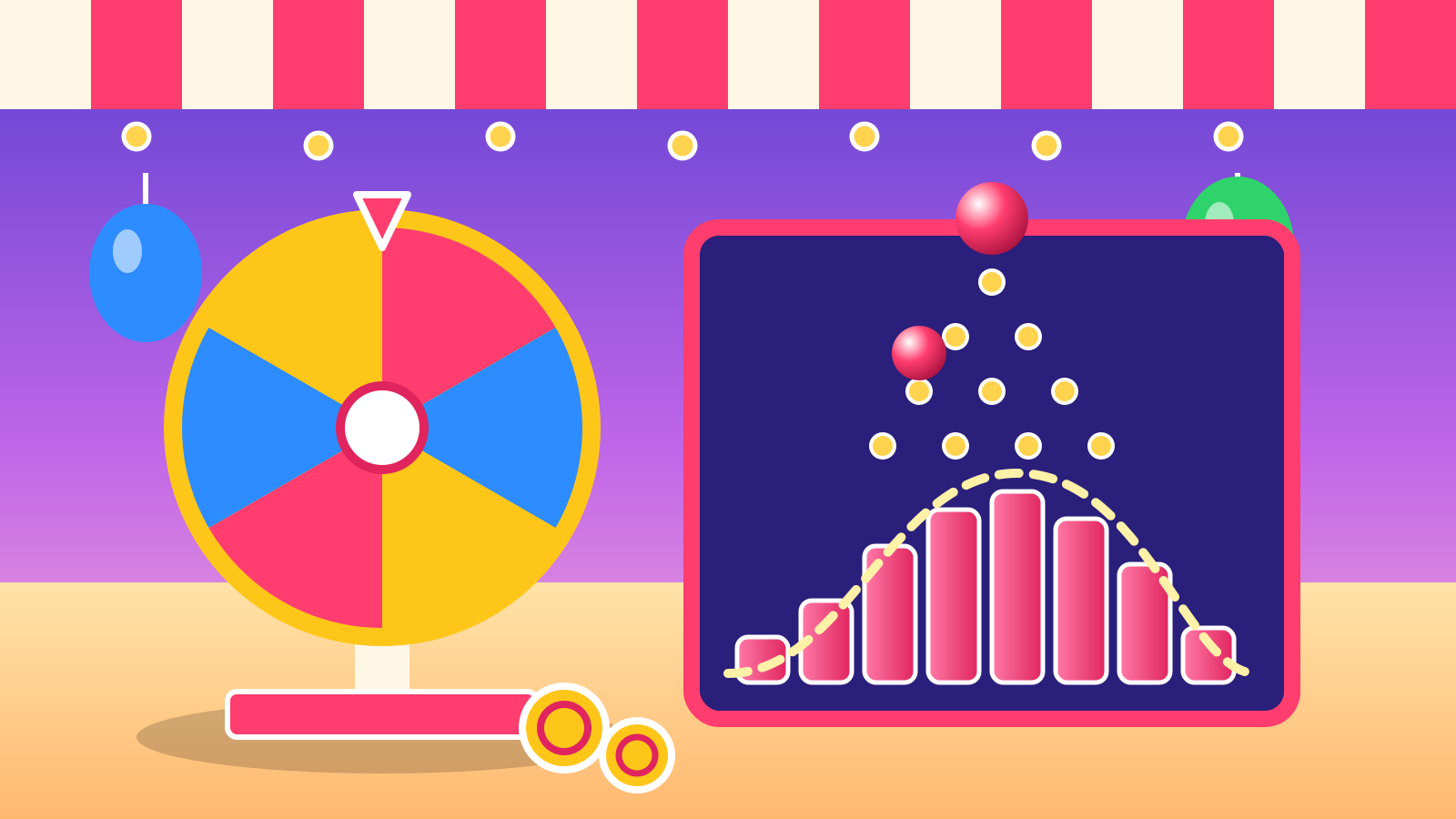
Chance Carnival is a probability game for children aged 8 to 14. A mystery wheel, a pegboard of falling balls and a prize stall let children test how chance behaves when it is repeated many times.
Children see relative frequency settle towards the true probability, predict where a pile of random drops will land and use expected value to set prizes that break even over time. Results wobble from one run to the next, and that wobble is part of the lesson.
How to play
- Spin the mystery wheel at least 100 times, watch the share of red settle, then lock in your guess for the chance of red.
- Drop balls through the pegboard until the pile matches the glowing bell-shaped outline.
- Tilt the board so the balls bounce right more often, and match the new outline.
- Paint prize wedges on the stall so that it breaks even in the long run, then open it for 300 customers.
Three levels, one game
Children estimate the fraction of red wedges on a mystery wheel, match a pile of balls to a bell-shaped outline on a six-row board, and paint prize wedges so that a one-token stall breaks even.
Children estimate a probability as a percentage from a 20-wedge wheel, tilt an eight-row board until its average bin is 2.8, and balance a stall where a two-token ticket meets big and small prizes, using expected payout.
Questions about Chance Carnival
What is relative frequency in Chance Carnival?
Relative frequency is the number of times something happened divided by the number of trials. On the mystery wheel the share of red settles near the true probability as the spins build up, although it never promises to match it exactly.
#What is expected value in Chance Carnival?
Expected value is the average payout per play: each prize's chance multiplied by what it pays, added together. The stall breaks even in the long run when that average equals the cost of one ticket, although single runs still wobble.
#Why does the pile of balls form a bell shape?
Each peg sends a ball left or right at random, so most balls finish near the middle and few reach the edges. On a fair six-row board the bins follow the ratio 1 : 6 : 15 : 20 : 15 : 6 : 1.
#Can my child play Chance Carnival without paying?
Yes. Chance Carnival is a learning game for children on play.3dw3b.com. It runs in any modern web browser on phones, tablets, Chromebooks and computers, so there is nothing to download.
#More games like Chance Carnival

Number Rocket
Catch the right-answer asteroid and type answers to blast your rocket between planets.
Ages 5 to 14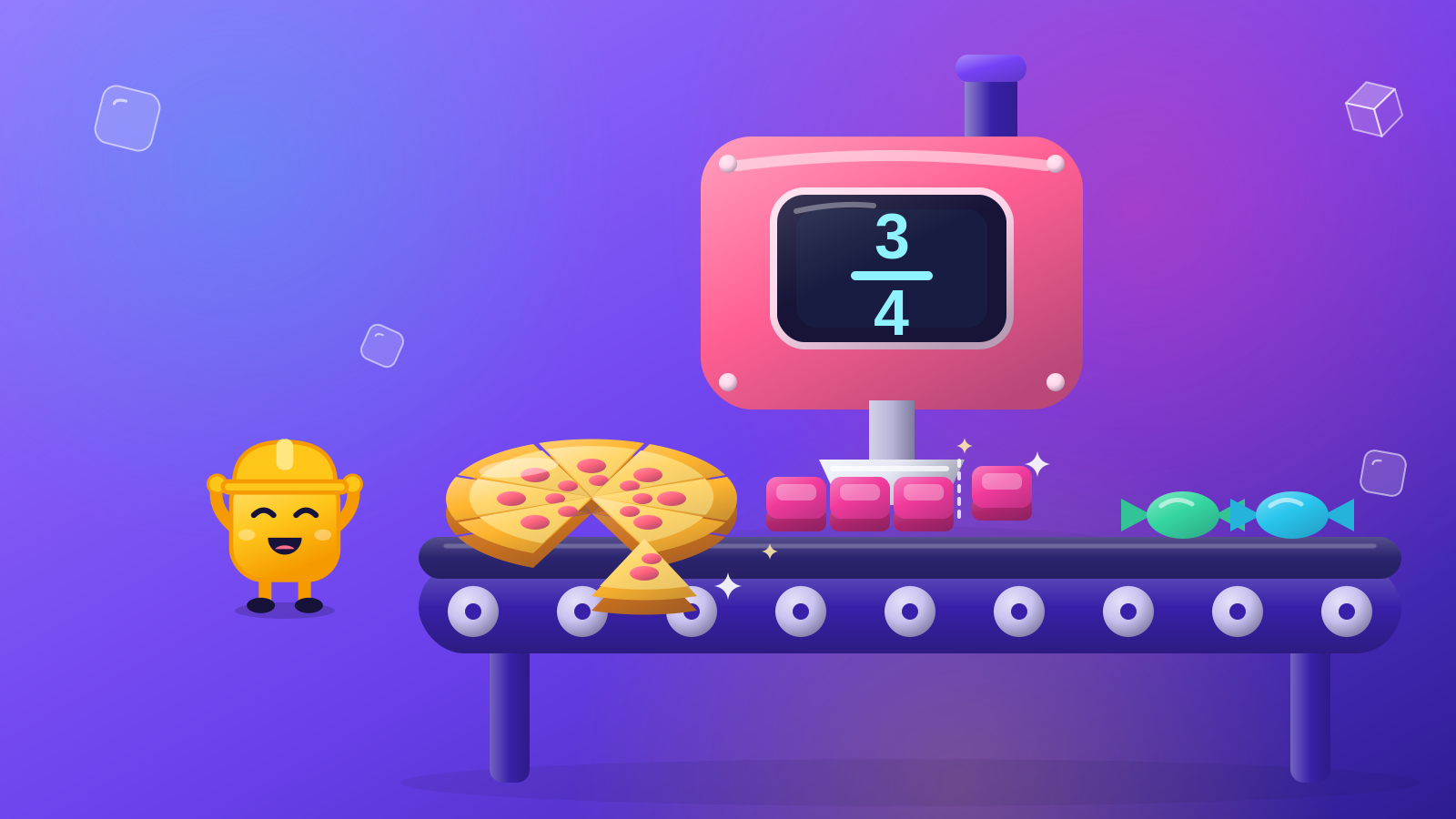
Fraction Factory
Slice candy bars and pizzas into equal parts and pack fraction orders against the clock.
Ages 5 to 14
Clock Climb
Climb a clock tower by setting clocks, reading scales and solving time puzzles.
Ages 5 to 14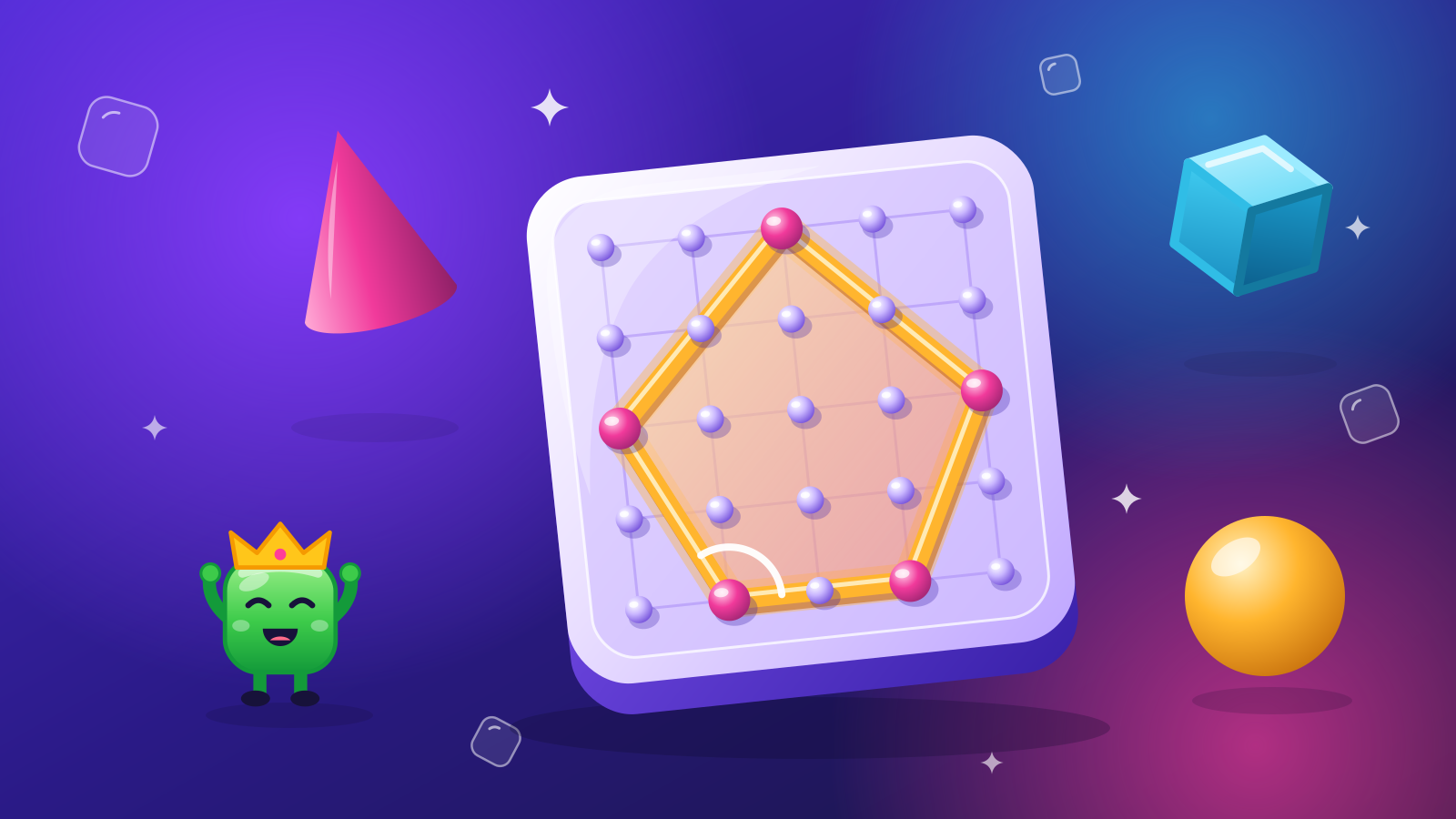
Shape Quest
Build shapes on a peg board, turn angles and measure to open the gates of Shape Castle.
Ages 5 to 14
Market Money
Run a market stall: count coins, add up order cards, give change and find the best buys.
Ages 5 to 14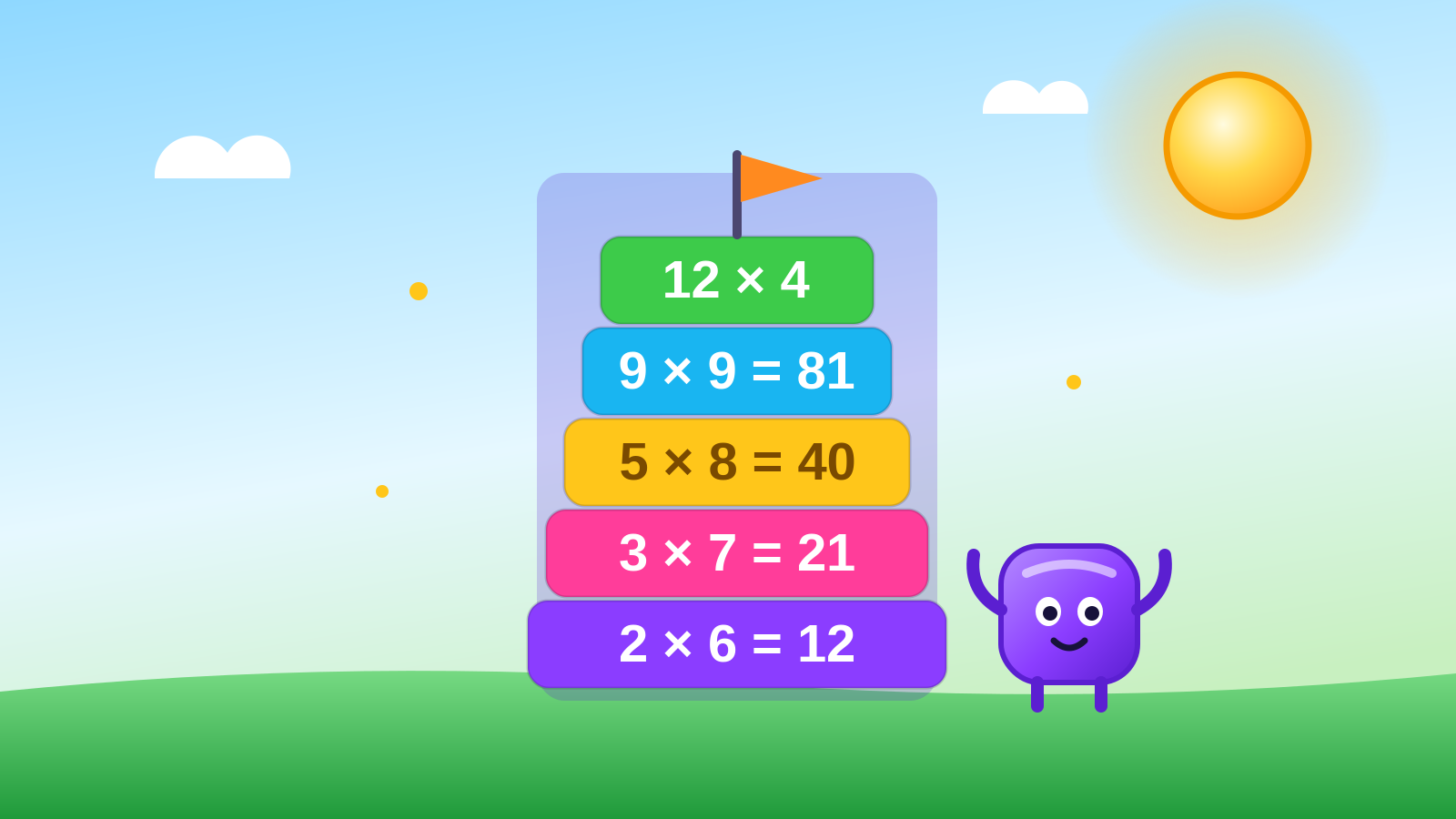
Times Table Tower
Climb the tower one block at a time: count in steps, master the times tables, then take on factors and primes.
Ages 5 to 14
Want games like these for your organisation?
We design custom and white-label learning games for schools, academies, charities and companies.